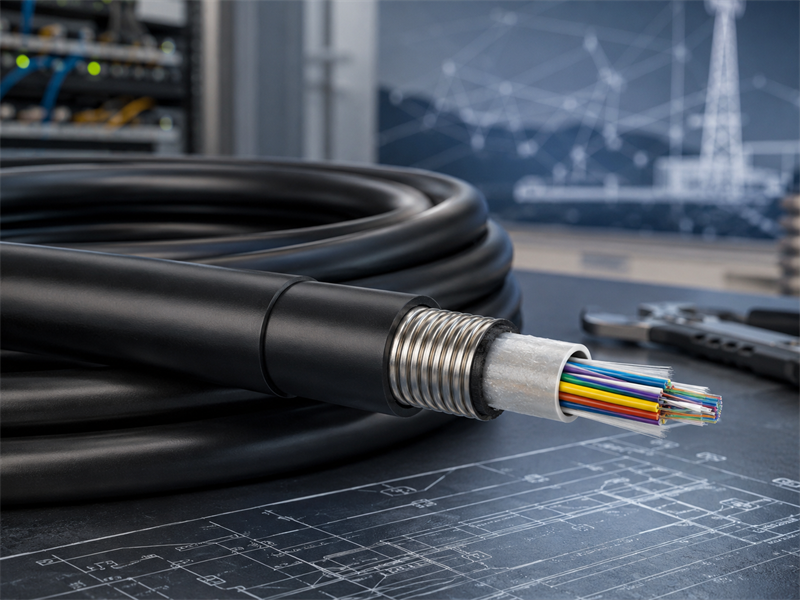
Choosing the right GYXTW fiber optic cable is essential for building a stable, scalable, and cost-effective outdoor communication network. For telecom operators, ISPs, contractors, and infrastructure buyers, cable selection directly affects transmission reliability, installation efficiency, and long-term maintenance costs.
Available in 4, 8, 12, and 24 core configurations, this cable design allows network planners to match fiber capacity with current connection requirements while reserving sufficient capacity for future expansion.
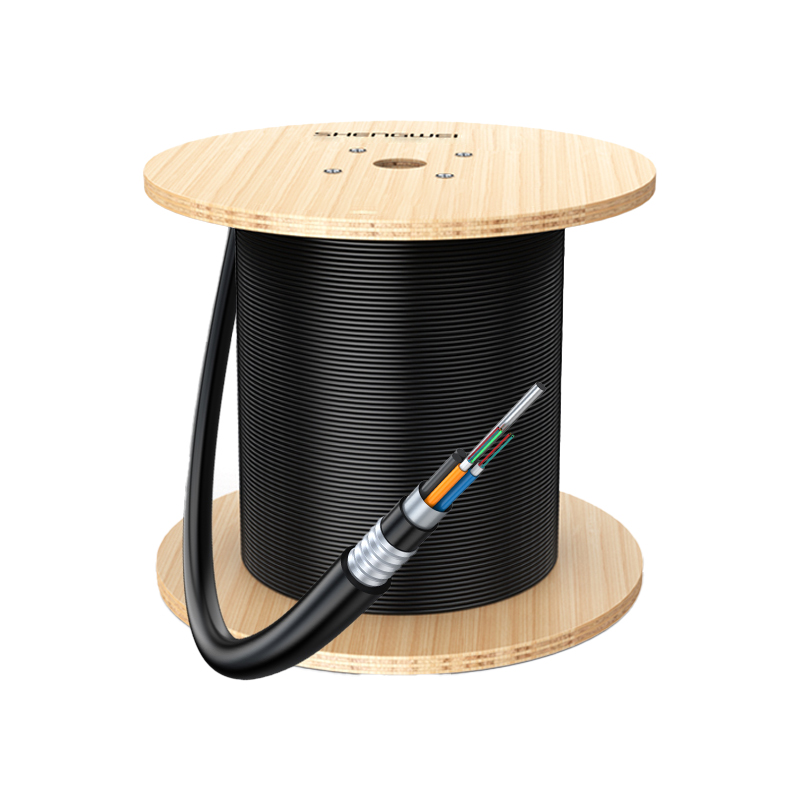
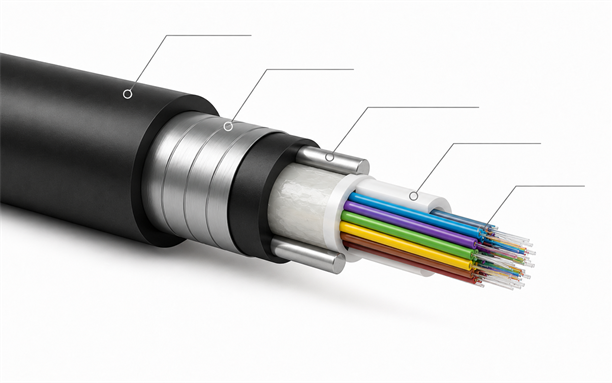
GYXTW Cable Structure
GYXTW cable is designed for outdoor environments where mechanical protection, moisture resistance, and stable optical performance are required. Its compact central-tube construction makes it suitable for many access network and local distribution applications.
Central Loose Tube
The optical fibers are placed inside a central loose tube made from high-modulus plastic. The tube is typically filled with a water-resistant compound that helps protect the fibers against moisture and reduces the transfer of external stress to the optical fibers.
The loose-tube design allows the fibers to move within a controlled space during temperature changes, cable pulling, and bending. This helps maintain stable transmission performance during installation and long-term operation.
Steel Tape Armor
A steel tape layer is applied around the cable core to provide additional mechanical protection. It helps the cable resist external pressure, impact, and potential damage during transportation and outdoor installation.
This metallic protective layer also improves crush resistance, making the cable suitable for protected outdoor routes where an unarmored cable may not provide sufficient mechanical protection.
Parallel Steel Strength Members
Two parallel steel wires are normally positioned on both sides of the central loose tube. These strength members help the cable withstand pulling forces during installation and improve the overall structural stability of the cable.
The required tensile performance should always be confirmed against the actual installation method, pulling distance, span length, and project specification.
PE Outer Sheath
The polyethylene outer sheath protects the cable against outdoor moisture, abrasion, ultraviolet exposure, and environmental aging. A durable PE sheath is especially important for an outdoor single-mode fiber optic cable installed in telecom and infrastructure networks.
Why Choose G.652.D Single-Mode Fiber?
G.652.D fiber optic cable is widely used in modern single-mode communication networks because it offers low attenuation, mature compatibility, and reliable long-distance transmission performance.
G.652.D fiber performs well at common transmission wavelengths, including 1310 nm and 1550 nm. It is compatible with a wide range of existing optical transmission equipment, making it suitable for new network construction as well as the expansion of established fiber infrastructure.
For network engineers and telecom procurement specialists, G.652.D is a practical choice because it supports:
- Stable long-distance optical transmission
- Low signal attenuation
- Compatibility with common single-mode network equipment
- Access, metro, and backbone network applications
- Efficient fusion splicing, testing, and maintenance
- Cost-effective deployment across outdoor fiber routes
4, 8, 12 and 24 Core Options
GYXTW G.652.D fiber optic cable is available in several common fiber counts to support different network sizes, connection requirements, and expansion plans.
| Fiber Count | Recommended Project Scale | Typical Applications | Main Advantage |
|---|---|---|---|
| 4 Core | Small projects | Point-to-point links, CCTV systems, equipment connections | Compact and cost-effective |
| 8 Core | Small to medium projects | FTTH distribution, commercial buildings, local access routes | Additional fibers for backup and expansion |
| 12 Core | Medium projects | Telecom access networks, industrial parks, campus networks | Balanced capacity and cost |
| 24 Core | Medium to larger projects | Community access networks, distribution routes, multi-building links | Greater capacity for long-term expansion |
4 Core GYXTW Cable
4 core GYXTW cable is suitable for small point-to-point links, surveillance systems, equipment connections, and short outdoor communication routes. It is a cost-effective option when only a limited number of active fibers are required.
Before selecting four fibers, buyers should consider whether additional fibers may be needed for redundancy, maintenance, or future services.
8 Core GYXTW Cable
8 core GYXTW cable provides additional capacity while keeping the overall cable size and project cost under control. It is commonly used in small to medium access networks, commercial buildings, local distribution routes, and FTTH-related projects.
The additional fibers may be reserved for backup links, new network branches, or future subscriber connections.
12 Core GYXTW Cable
12 core GYXTW cable is a practical choice for medium-sized outdoor access networks. It offers a useful balance between fiber capacity, installation flexibility, and procurement cost.
This option is suitable for telecom, broadband, industrial, and multi-building communication projects that require both active and spare fibers.
24 Core GYXTW Cable
24 core GYXTW cable is suitable for larger access routes, industrial parks, community networks, and distribution projects that require additional expansion capacity.
It gives network planners more flexibility for additional users, backup fibers, multiple services, and later network upgrades. The cable diameter, loose-tube capacity, and termination arrangement should be confirmed before ordering.
Key Features and Benefits
The central loose-tube construction, steel tape protection, strength members, and PE outer sheath give GYXTW cable a practical combination of optical stability, mechanical protection, and outdoor durability.
- Moisture resistance: Water-blocking materials help protect the optical fibers against water penetration.
- Reliable tensile performance: Parallel steel strength members help the cable withstand pulling forces during installation.
- Mechanical protection: Steel tape armor improves resistance to external pressure, crushing, and impact.
- Compact construction: The central loose-tube design supports efficient transportation, handling, and cable routing.
- Low attenuation: G.652.D single-mode fiber supports stable transmission across long outdoor links.
- Outdoor durability: The PE sheath provides protection against UV exposure, abrasion, moisture, and environmental aging.
- Flexible fiber counts: Common configurations include 4, 8, 12, and 24 fibers.
- Cost-effective deployment: Suitable for access and distribution projects that do not require a large stranded loose-tube cable.
Typical Applications
GYXTW fiber optic cable is used in outdoor telecommunications and infrastructure projects where stable transmission and mechanical cable protection are both important.
Common applications include:
- Outdoor duct installations
- Selected short-span aerial installations
- FTTH and FTTx access networks
- Telecom operator distribution networks
- Campus and industrial park communication systems
- Security and surveillance transmission routes
- Broadband access and local network expansion
- Building-to-building fiber connections
Duct Installation
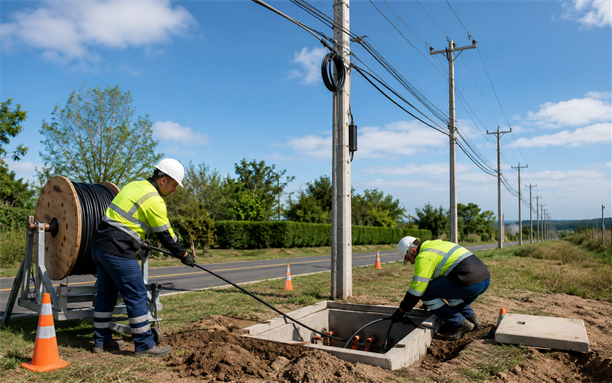
GYXTW cable can be installed in underground telecom ducts where the cable is protected by conduit. Before installation, contractors should verify the duct condition, pulling distance, permitted cable tension, minimum bend radius, and the presence of water or sharp obstructions.
Aerial Installation
Some GYXTW cable constructions may be used for selected short-span aerial routes when the mechanical performance and installation method meet the project requirements.
Project engineers should confirm the span length, wind load, ice load, support hardware, and required tensile rating before final cable selection. For longer spans or demanding aerial environments, a dedicated ADSS or Figure-8 cable may be more appropriate.
GYXTW vs. GYTS and GYTA
GYXTW, GYTS, and GYTA are all designed for outdoor optical communication networks, but their cable structures and recommended applications are different.
| Cable Type | Typical Structure | Main Advantage | Common Applications | Best Suited For |
|---|---|---|---|---|
| GYXTW | Central loose tube, steel tape armor, parallel steel wires, PE sheath | Compact, armored, and cost-effective | Duct routes and selected short-span aerial access networks | Low to medium fiber-count access projects |
| GYTS | Stranded loose tubes, central strength member, steel tape, PE sheath | Higher fiber-count capacity and strong crush protection | Backbone networks, duct routes, and larger distribution systems | Medium to high fiber-count projects |
| GYTA | Stranded loose tubes, central strength member, aluminum tape, PE sheath | Good moisture protection with a lighter metallic layer | Duct and outdoor telecom distribution networks | Projects requiring higher fiber counts and lower cable weight |
For access network projects requiring 4, 8, 12, or 24 fibers, GYXTW fiber optic cable offers a practical balance of mechanical protection, cable size, installation efficiency, and overall project cost.
However, the cable model name should not be used as the only purchasing specification. Buyers should also compare the manufacturer’s confirmed cable diameter, weight, tensile strength, crush resistance, bend radius, and operating temperature.
How to Choose the Right Fiber Count
Selecting the correct fiber count helps balance the initial investment with long-term network flexibility.
For a small point-to-point communication link, four fibers may be sufficient. For access networks with moderate expansion requirements, 8 or 12 fibers are often more practical. For larger projects or routes where additional subscribers, backup fibers, or new services may be added, 24 fibers can provide greater long-term flexibility.
When choosing the fiber count, consider:
- The number of current connection points
- Whether each link requires one fiber or two fibers
- The use of standard duplex or BiDi transmission equipment
- Expected expansion during the next three to five years
- Required spare and backup fibers
- The planned splicing and distribution arrangement
- Available capacity inside splice closures and distribution boxes
- Installation cost compared with future cable replacement cost
- Network redundancy requirements
- The overall project budget
In many infrastructure projects, installing a slightly higher fiber count at the beginning can reduce future upgrade costs and avoid the need to reopen ducts or install a second cable.
Information Required for a Quotation
To receive an accurate cable recommendation and quotation, provide as much project information as possible.
Recommended quotation details include:
- Cable type: GYXTW
- Fiber type: G.652.D single-mode fiber or another required fiber specification
- Fiber count: 4, 8, 12, or 24 fibers
- Total cable quantity: Required length in meters or kilometers
- Drum length: Required cable length per reel
- Installation method: Duct, aerial, tray, tunnel, or another outdoor route
- Route environment: Standard outdoor, high-humidity, coastal, industrial, or another special environment
- Aerial span length: Required for pole-to-pole installations
- Mechanical performance: Required tensile strength and crush resistance
- Operating temperature: Minimum and maximum expected temperatures
- Sheath requirements: Standard PE or another specified material
- Cable marking: Brand, model, meter marking, production date, or customized wording
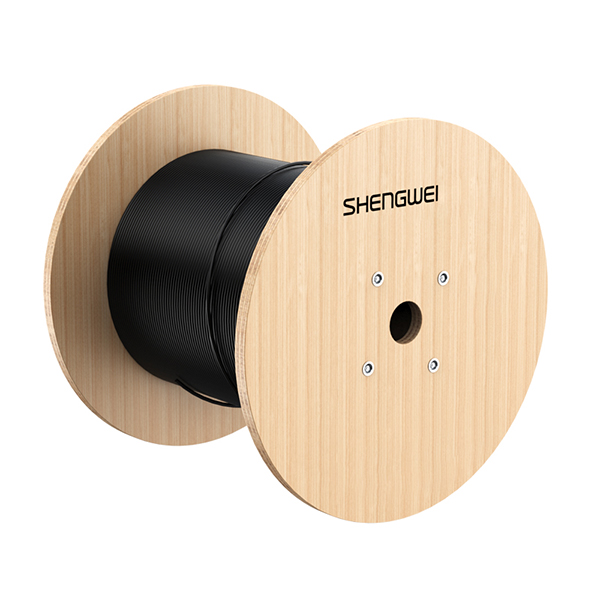
- Packaging: Wooden drum, pallet, or other export packaging requirements
- Destination: Delivery address, country, or destination port
- Technical standards: Required IEC, ITU-T, national, or project-specific standards
- Documentation: Datasheet, test report, certificate, or inspection requirements
- Delivery schedule: Expected production and shipment date
Complete project information enables our technical team to verify the cable construction, recommend a suitable specification, and prepare a faster and more accurate quotation.
Why Choose SHENGWEI?
SHENGWEI is a fiber optic cable manufacturer supporting telecom operators, distributors, contractors, system integrators, and infrastructure buyers in international markets.
Our GYXTW cable supply capabilities include:
- G.652.D single-mode fiber options
- 4, 8, 12, and 24 core configurations
- Project-based cable specifications
- Custom cable and meter marking
- Specified drum lengths and export packaging
- Technical guidance for cable selection
- Support for project orders and OEM requirements
- Production and inspection based on agreed specifications
Each inquiry can be reviewed according to the installation method, route conditions, required fiber count, and mechanical performance. This helps buyers select a suitable cable specification rather than relying only on a general cable model name.

Frequently Asked Questions
What is GYXTW fiber optic cable used for?
GYXTW fiber optic cable is used for outdoor communication networks, including duct installations, selected aerial links, FTTH access networks, telecom distribution routes, industrial communication systems, and surveillance transmission networks.
What is the difference between GYXTW and GYTS cable?
GYXTW normally uses one central loose tube and is commonly selected for low to medium fiber counts. GYTS uses multiple loose tubes stranded around a central strength member and is generally more suitable for higher fiber counts and larger distribution or backbone routes.
Is G.652.D fiber suitable for outdoor long-distance transmission?
Yes. G.652.D single-mode fiber provides low attenuation and broad compatibility with standard optical transmission systems. It is widely used for outdoor access, metro, distribution, and long-distance network applications.
Request a GYXTW Cable Quotation
Planning an outdoor duct, aerial, or access-network project?
Send SHENGWEI your required fiber count, cable length, installation method, route environment, destination, and technical requirements. Our team will help you confirm a suitable 4, 8, 12, or 24 core GYXTW G.652.D cable configuration and prepare a project quotation.
Contact us to request a datasheet, cable recommendation, or quotation for your project.