Choosing the wrong fiber optic cable can turn a simple installation into a cycle of signal loss, downtime, and rework. For contractors, integrators, and network planners, getting the specs right from the start matters—and so does choosing a manufacturer you can trust.
This guide covers the essentials: single mode vs. multimode, fiber count, connectors, jacket ratings, common buying mistakes, and why a certified supplier makes the process easier.
Fiber Optic Cable Basics: What You Must Know
How Fiber Optic Cables Work
Fiber optic cables transmit data using pulses of light, offering significant advantages over traditional copper wiring:
- High bandwidthover long distances
- Minimal signal attenuation
- Resistance to electromagnetic interference (EMI)
A fiber optic cable consists of three main layers:
- Core:Carries the light signal
- Cladding:Reflects light back into the core
- Jacket:Protects the fiber from environmental damage
Fiber vs Copper: Key Comparison
| Feature | Fiber Optic Cable | Copper Cable |
| Bandwidth | Up to 100 Gbps+ | Typically 1–10 Gbps |
| Distance Limit | 2 km–80 km (depending on type) | 100 m max |
| EMI Immunity | High | Low |
| Security | Difficult to tap | Easy to tap |
| Cost (installation) | Higher upfront, lower TCO | Lower upfront, higher maintenance |
Single Mode vs. Multimode Fiber: Which One Fits Your Network?
Choosing between single mode (SMF) and multimode fiber (MMF) is essential for optimizing network performance and costs.
Core Differences:
- Single Mode (OS2):
- Core diameter ~9 µm
- Supports long-distance transmission (up to 80 km)
- Lower attenuation, higher cost
- Multimode (OM1–OM5):
- Core diameter 50–62.5 µm
- Shorter distances (300 m–2 km)
- Easier termination, lower cost
| Specification | OS2 (Single Mode) | OM1/OM2 (Multimode) | OM3/OM4/OM5 (Multimode) |
| Core Diameter | 9 µm | 62.5/50 µm | 50 µm |
| Max Distance | 80 km | 300 m–600 m | 300 m–550 m |
| Typical Applications | Long-haul telecom, data centers | Campus LANs | High-speed data centers, enterprise LANs |
| Cost | Higher | Lower | Moderate |
Selection Recommendation:
- OS2 for long-haul, FTTH, and backbone networks
- OM3/OM4 for enterprise and data center upgrades
- OM1/OM2 for legacy or short-distance deployments
Critical Factors to Consider When Choosing Fiber Optic Cable
Fiber Count: Simplex vs. Duplex vs. Multi-strand
- Simplex:Single fiber, one-way transmission
- Duplex:Two fibers, bidirectional transmission
- Multi-strand:12, 24, 48 fibers for high-density networks
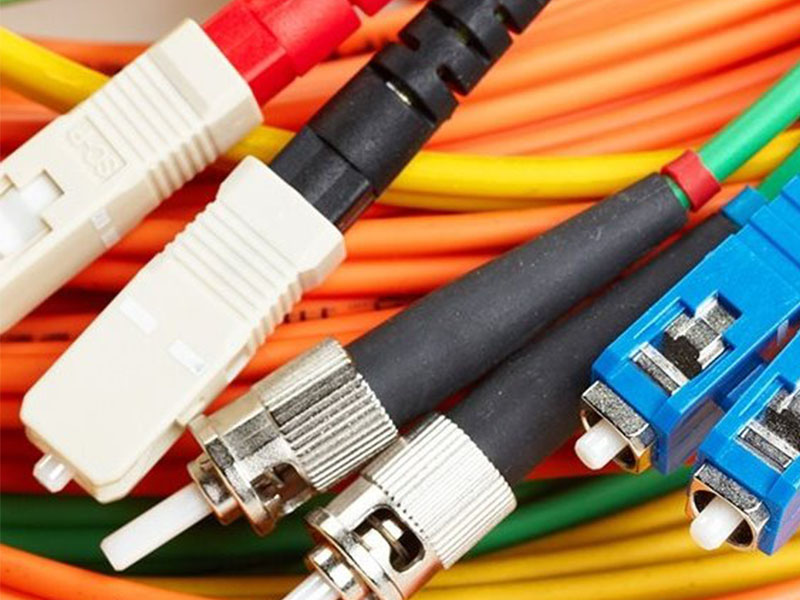
Connector Types: LC, SC, ST, MTP/MPO, CS
- LC:Small form factor, widely used in telecom and data centers
- SC/ST:Legacy connectors, reliable for enterprise networks
- MTP/MPO:High-density cabling, ideal for 40G/100G deployments
- CS:Ultra-high-density solutions for modern data centers
Jacket Ratings: OFNR vs. OFNP vs. LSZH
- OFNR (Riser):For vertical runs, fire-resistant
- OFNP (Plenum):Low-smoke, for air-handling spaces
- LSZH:Low-smoke zero halogen, environmentally friendly
Polishing Types: PC vs. UPC vs. APC
- PC (Physical Contact):Standard polish, low back reflection
- UPC (Ultra PC):Enhanced polish, improved signal quality
- APC (Angled PC):Minimal reflection, ideal for high-speed networks
Why Your Choice of Manufacturer Matters – Ensuring Quality and Reliability
Selecting an experienced fiber optic provider ensures product quality, reliability, and scalability. Top considerations include:
- Two decades of industry expertise, delivering proven solutions
- Recognition as a National High-Tech Enterprise
- Products certified with CE, FCC, RoHS, ISO9001 standards
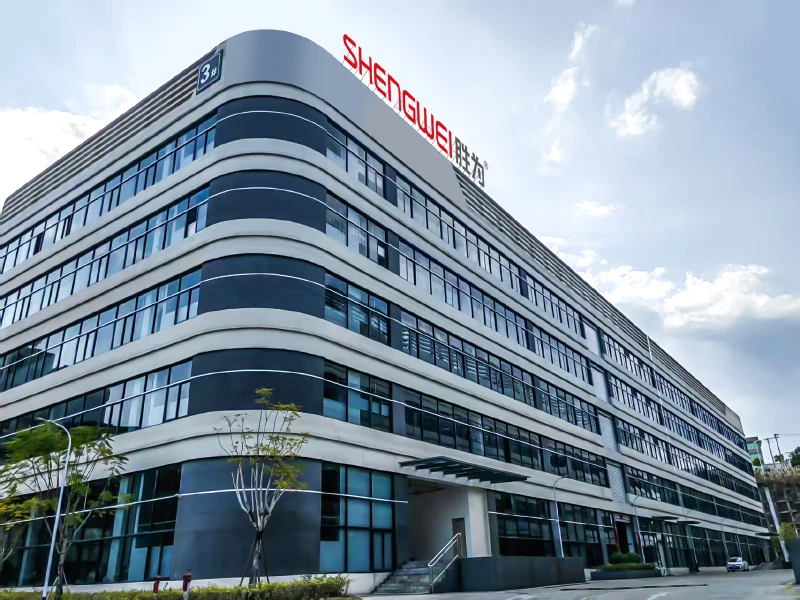
- State-of-the-art production facility, with millions of kilometers of annual output
- Patent-backed innovations to optimize fiber performance
- Custom OEM/ODM solutions for telecom operators, system integrators, and IT purchasers
Common Fiber Optic Cable Buying Mistakes to Avoid
- Selecting fiber type without considering network distance and speed requirements
- Ignoring jacket ratings and fire safety compliance
- Overlooking connector compatibility
- Relying solely on low-cost suppliers without certifications
Frequently Asked Questions (FAQ)
Q1: What is the difference between single mode and multimode fiber?
A1: Single mode supports long-distance, high-speed transmission; multimode is designed for short-distance, cost-efficient deployments.
Q2: How do I determine the right fiber count?
A2: Evaluate current and projected network demand; duplex works for point-to-point, multi-strand for high-density applications.
Q3: Which jacket rating should I use for indoor cabling?
A3: Choose OFNR for riser spaces, OFNP for plenum areas, and LSZH for environmentally sensitive or high-safety installations.
Q4: Are all fiber connectors compatible with any device?
A4: No. Connector type must match the equipment; LC and SC are standard for telecom, MTP/MPO for data centers.
Q5: How can manufacturers ensure product quality?
A5: By adhering to ISO9001-certified processes, rigorous testing, and leveraging patented production methods.
Q6: Can providers deliver OEM/ODM solutions for global clients?
A6: Yes, experienced manufacturers offer tailored fiber optic solutions for telecom operators, integrators, and IT purchasers worldwide.
Conclusion
Selecting the right fiber optic cable involves three essential steps:
- Assess network requirements including distance, speed, and application
- Evaluate fiber type, connector, and jacket specifications
- Partner with a certified, experienced manufacturer to ensure quality, scalability, and compliance